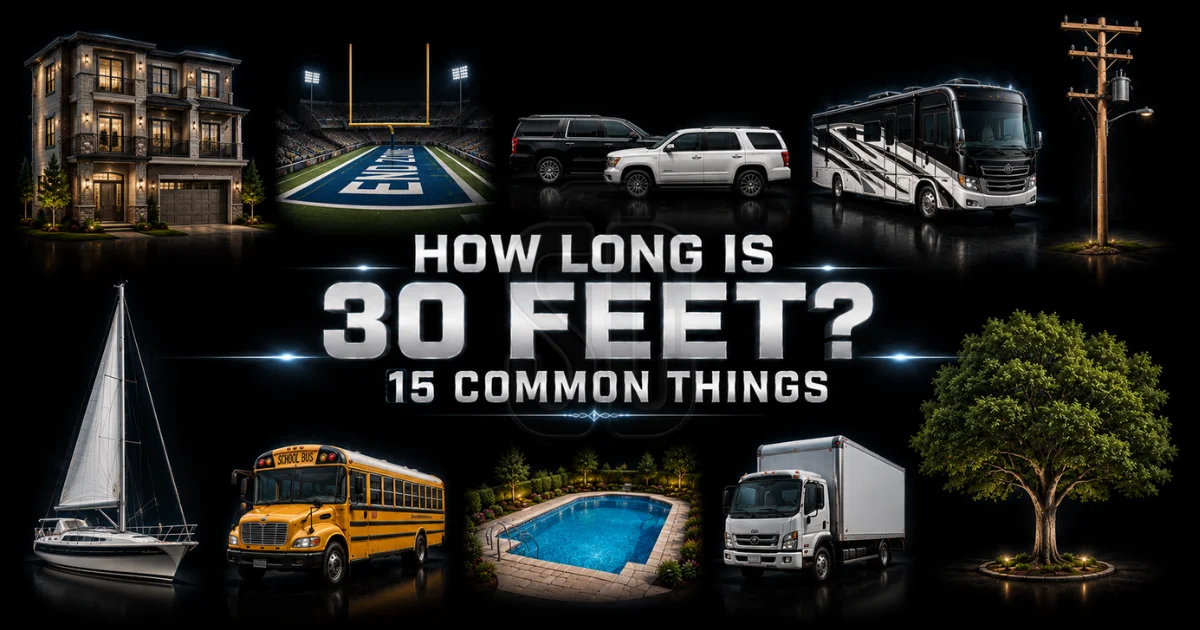
30 feet is exactly 360 inches, or about 9.14 meters. It’s roughly the height of a standard three-story building, or the length of two full-size SUVs parked bumper to bumper.
How Long Is 30 Feet?
30 feet equals exactly 360 inches, or 9.14 meters. It’s close to the length of a standard school bus or a large moving truck.
What Does 30 Feet Look Like?
30 feet looks about as long as a standard school bus, or roughly the height of a three-story building. It’s also close to the length of two large SUVs parked end to end.
In Other Unit (Conversion)
| Other Units | Equal Answer |
|---|---|
| 30 feet to inches | 360 inches |
| 30 feet to yards | 10 yards |
| 30 feet to centimeters | 914.4 cm |
| 30 feet to meters | 9.14 m |
| 30 feet to millimeters | 9,144 mm |
| 30 feet to miles | 0.0057 miles |
Objects That Are 30 Feet Long (Quick Reference)
| Object | Approx. Length/Height | Closeness to 30 ft | Best Use |
|---|---|---|---|
| Three-Story Residential Building | ~30 ft | 10 / 10 | Architecture height reference |
| NFL End Zone Depth | 30 ft | 10 / 10 | Sports exact reference |
| Two Full-Size SUVs End to End | ~30 ft | 10 / 10 | Parking lot reference |
| Class A Motorhome / RV | 26–35 ft | 9 / 10 | Vehicle length reference |
| Residential Telephone / Utility Pole | 30–40 ft | 9 / 10 | Outdoor vertical reference |
| 30-Foot Sailboat or Small Yacht | 30 ft | 10 / 10 | Watercraft reference |
| School Bus (Front Two-Thirds) | ~30 ft | 9 / 10 | Street-scale reference |
| Residential Swimming Pool | 30 ft | 10 / 10 | Backyard reference |
| Medium Delivery or Moving Truck | 28–32 ft | 9 / 10 | Street vehicle reference |
| Mature Backyard Oak or Maple Tree | ~30 ft | 9 / 10 | Nature vertical reference |
| Narrow Suburban Residential Lot Width | 25–30 ft | 9 / 10 | Real estate reference |
| Professional Extension Ladder | 28–32 ft | 9 / 10 | Construction reference |
| Half-Length Bowling Lane | 30 ft | 10 / 10 | Indoor sports reference |
| Five to Six Adults Lying Head to Toe | 28–33 ft | 9 / 10 | Universal human-scale reference |
| Large Warehouse Storage Aisle Width | 28–32 ft | 9 / 10 | Industrial reference |
More Post: How Long Is 500 Feet? 15 Common Things to Compare
Sports and Recreation That Are 30 Feet Long or Big
The fastest way to picture 30 feet is on the playing field — a reference millions of Americans see every football season without ever knowing the number.
NFL End Zone Depth
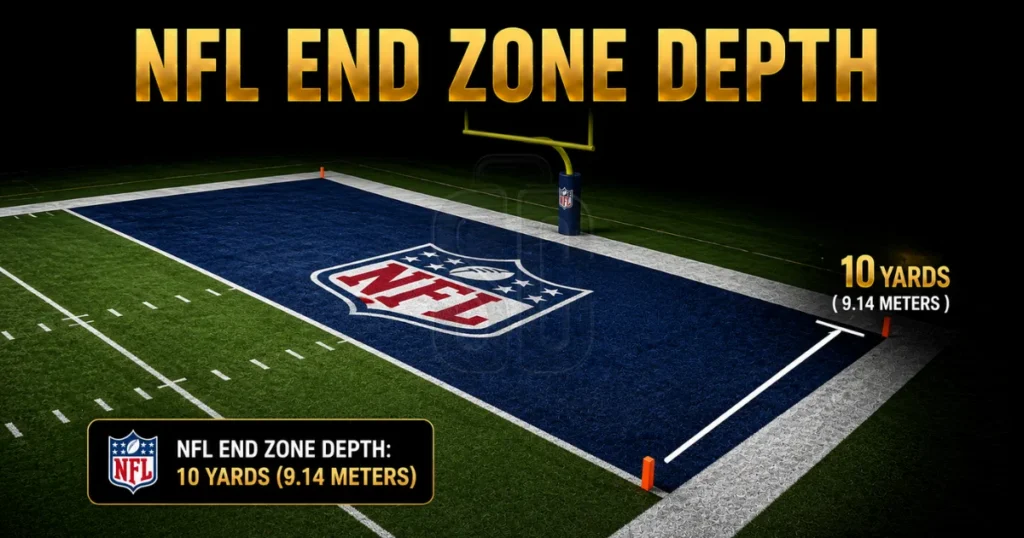
Every NFL end zone is exactly 10 yards deep. 10 yards equals 30 feet.
According to the NFL rulebook, end zones are uniformly 10 yards deep across all 30 NFL stadiums.
Half-Length Bowling Lane
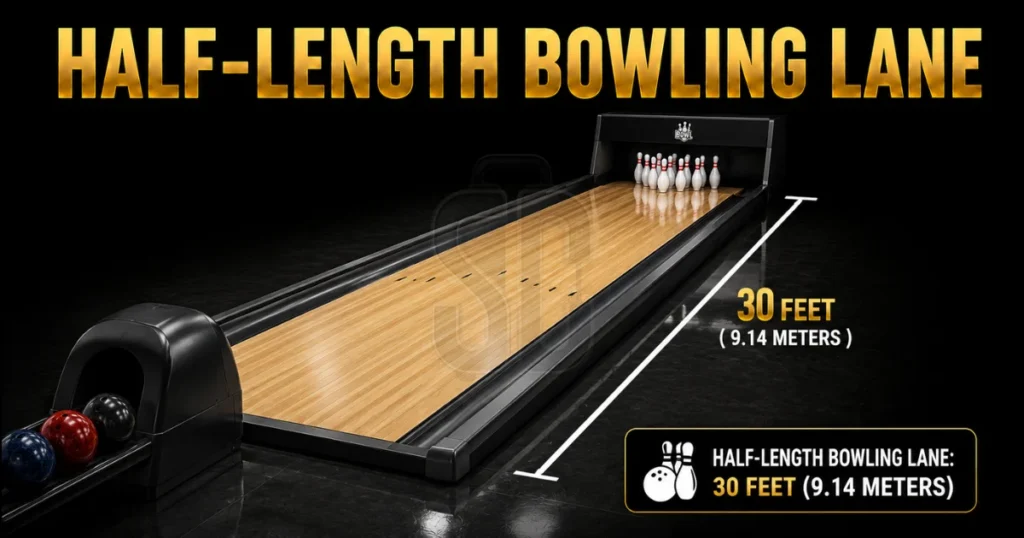
A regulation bowling lane measures 60 feet from the foul line to the head pin, confirmed by the United States Bowling Congress. Split that in half and you have exactly 30 feet.
Stand at the foul line and imagine the pins placed halfway down the lane instead of at the end. That midpoint is your 30-foot mark.
Buildings and Outdoor Structures That Reach 30 Feet
Look up the next time you’re in a residential neighborhood. 30 feet is built directly into the homes, poles, and yards around you.
Three-Story Residential Building
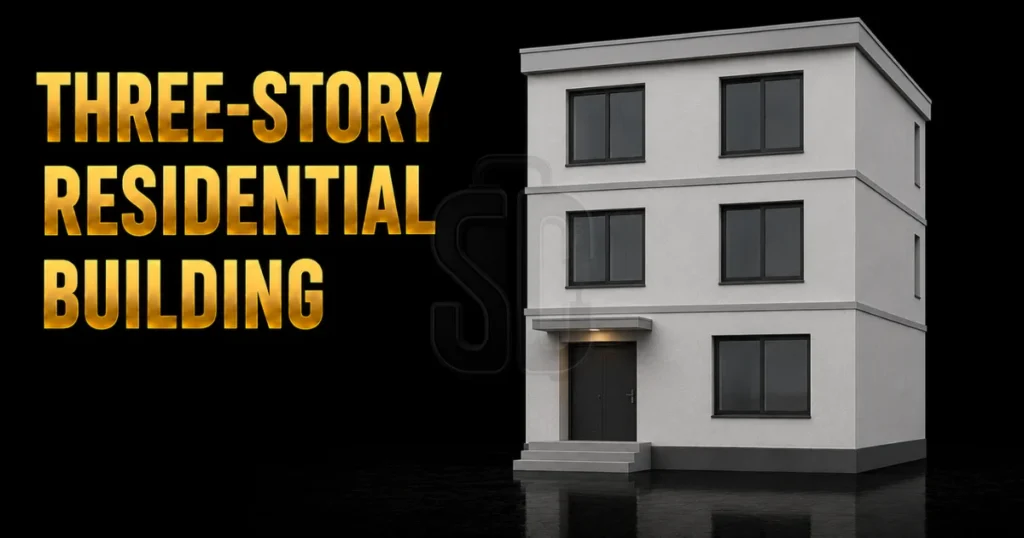
Standard homes in the U.S. are built with roughly 10 feet per floor — including ceiling height and floor thickness. Stack three floors and you reach 30 feet.
Stand outside any three-story apartment or townhouse and look from the ground straight to the roofline.
Residential Telephone / Utility Pole
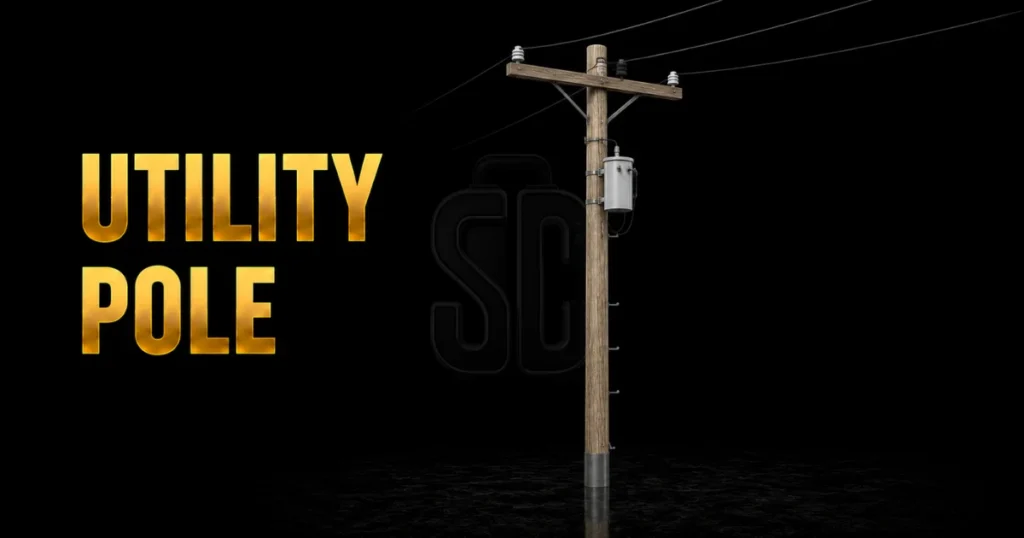
Most residential utility poles are between 30 and 40 feet tall, with the shorter end — used in neighborhoods with lower-voltage lines — sitting right at 30 feet.
These poles line every street in suburban and rural America. Once you know they’re roughly 30 feet tall, every neighborhood walk becomes a measurement reference you can use instantly.
Residential Swimming Pool
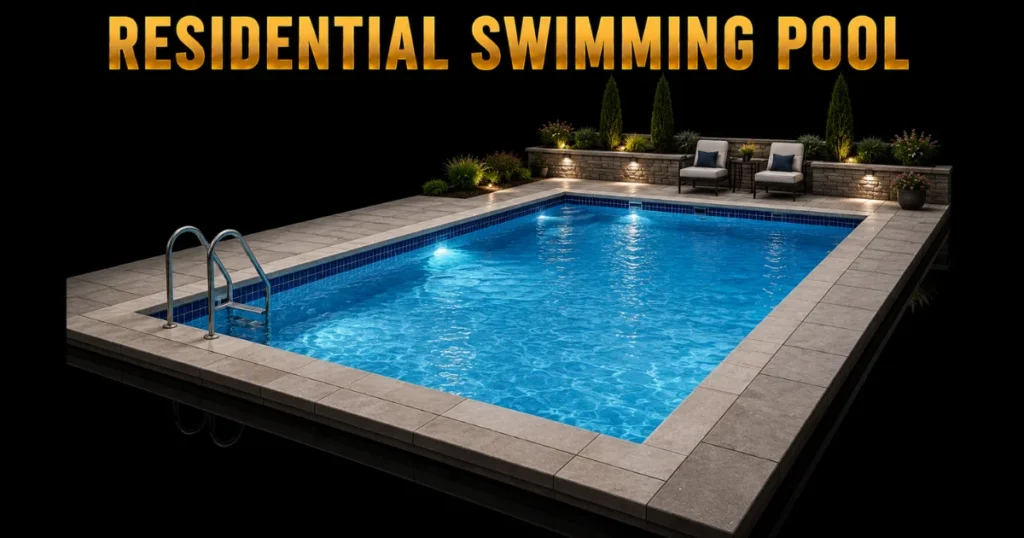
The most common backyard pool size in the U.S. is 12 x 24 feet, but 30-foot pools are a popular upgrade.
According to the Association of Pool and Spa Professionals, there are over 5.7 million residential pools in the United States. A full 30-foot pool gives just enough length for a proper lap swim.
Professional Extension Ladder

Professional-grade extension ladders used by roofers, electricians, and firefighters commonly come in 28-foot and 32-foot sizes, with 30-foot models being a standard offering from brands like Werner and Louisville Ladder.
OSHA requires that ladders extend at least 3 feet above a roofline for safe access. On a typical two-story home — about 20 feet to the eave — a 30-foot ladder is the standard tool of choice.
Nature and Wildlife at 30 Feet
30 feet shows up in the natural world too — in the trees above your head and the wildlife you spot on a road trip.
Mature Backyard Oak or Maple Tree

Mature oak trees in residential American backyards commonly reach 60 to 80 feet at full size — but younger, 20-to-30-year-old specimens land right around 30 feet tall.
Red maples, one of the most planted trees in U.S. neighborhoods, grow to about 40 to 60 feet at full maturity.
Five to Six Adults Lying Head to Toe

The average American adult stands about 5 feet 7 inches tall — approximately 5.6 feet, per CDC data.
This is the most universally available comparison because it requires no objects, no tools, and no landmarks.
Vehicles, Boats, and Street-Scale References at 30 Feet
Your driveway, the street outside, and the nearest marina hold some of the most reliable 30-foot references around.
Two Full-Size SUVs Parked End to End
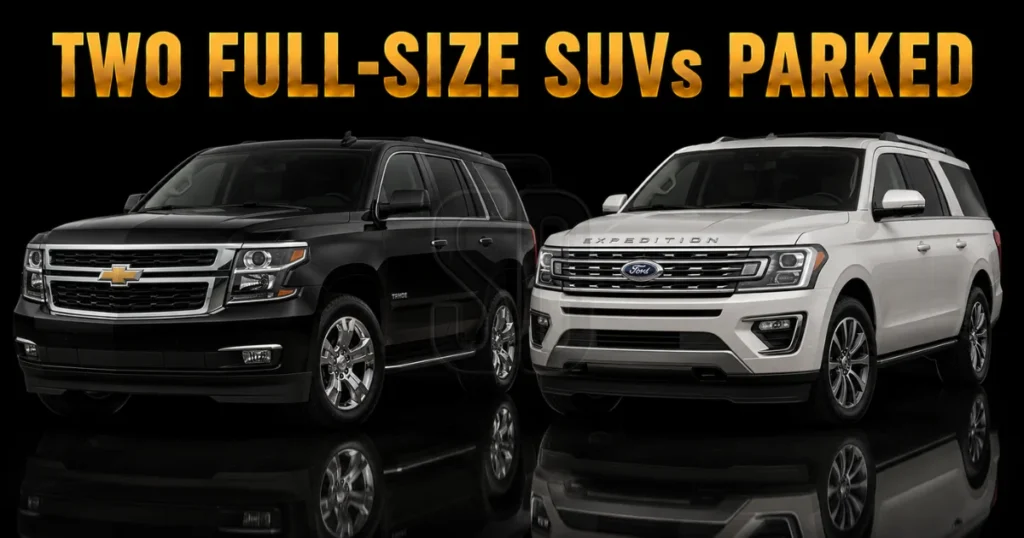
A standard full-size SUV — a Ford Expedition or Chevy Suburban — measures about 18.5 feet long. Line two of them up bumper to bumper in a parking lot and you land right around 30 feet.
This is one of the most practical comparisons on the list because parking lots and driveways are where most people already estimate distance without thinking about it.
Class A Motorhome / RV
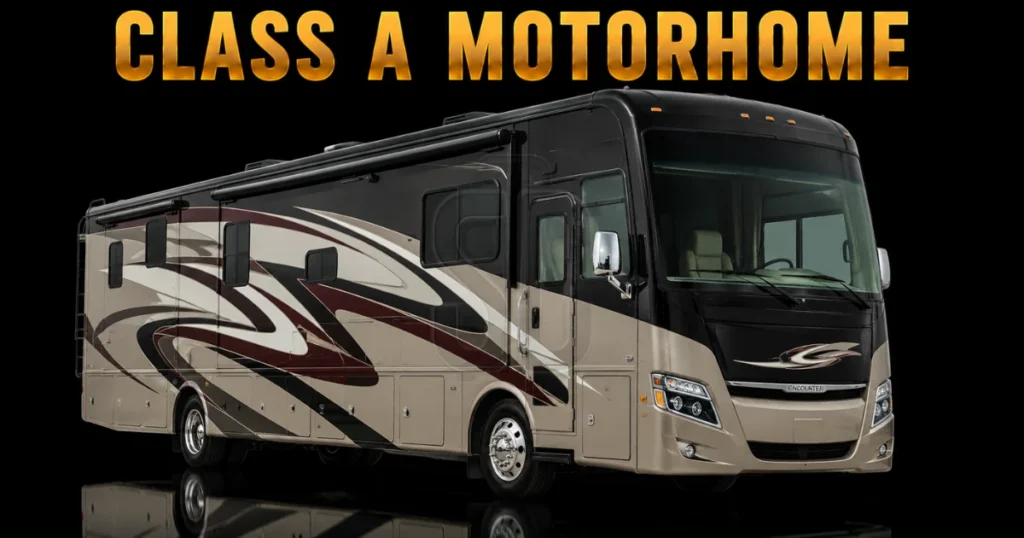
Class A motorhomes — the kind you see rolling down I-10 or parked at KOA campgrounds — typically measure between 26 and 35 feet long.
According to the RV Industry Association, over 11 million U.S. households own an RV. If you’ve stood next to one in a campground, you’ve stood next to 30 feet.
30-Foot Sailboat or Small Yacht

In the boating world, 30 feet is a well-defined and respected size class.
Brands like Hunter, Catalina, and Beneteau all offer popular 30-foot models. Walk along any marina in Florida, California, or the Great Lakes and you’ll spot dozens of them.
Small School Bus (Front Two-Thirds)

A full-size Type C school bus measures around 35 to 40 feet long. 30 feet is the front two-thirds of that bus — from the hood to just past the emergency exit.
Most Americans grew up riding school buses. Picture standing at the front door and looking toward the back, stopping a few rows before the rear.
Medium Delivery or Moving Truck
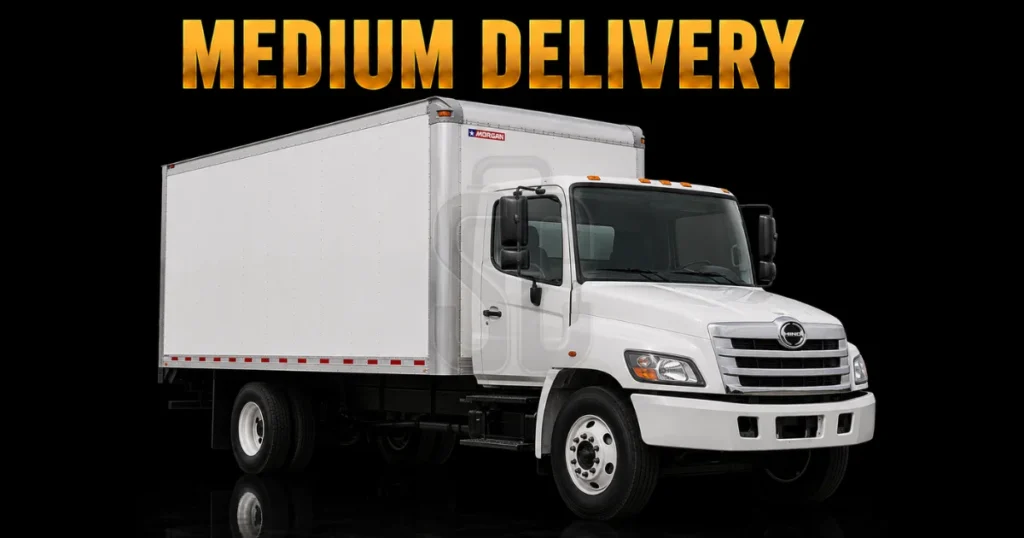
Medium-duty freight trucks used by FedEx Freight and regional carriers often run 28 to 32 feet, with many sitting right at 30 feet.
That cargo compartment is a solid, street-level approximation of how far 30 feet extends in a straight line.
Real Estate and Industrial References at 30 Feet
30 feet shows up in property lines, zoning codes, and warehouse floors — and knowing it matters in real decisions.
Narrow Suburban Residential Lot Width
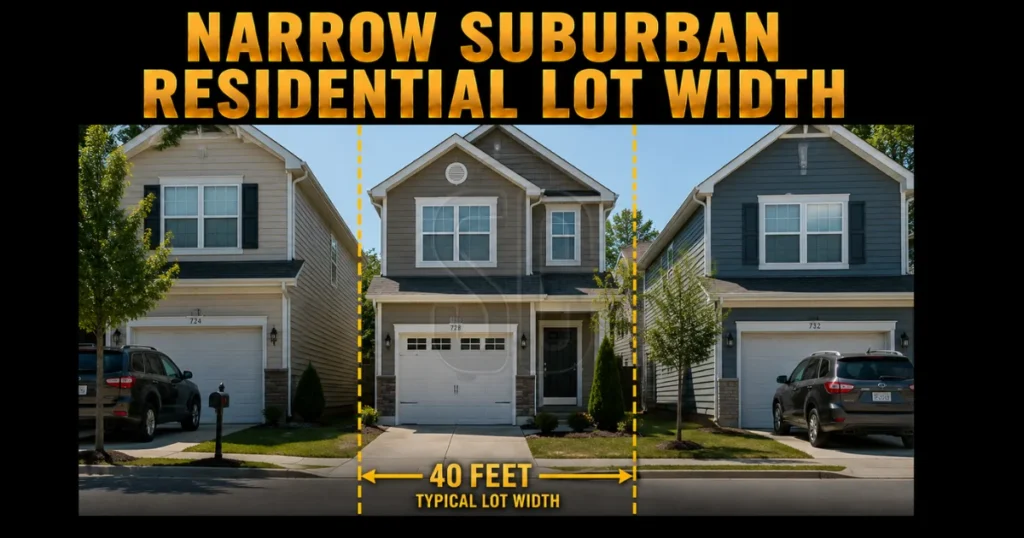
Here’s one competitors barely touched — and it matters enormously for homeowners. In most American suburbs, standard residential lots run 50 to 75 feet wide.
But narrow lots — increasingly common in urban infill developments across Houston, Denver, and Atlanta — measure as little as 25 to 30 feet wide.
Large Warehouse Storage Aisle Width
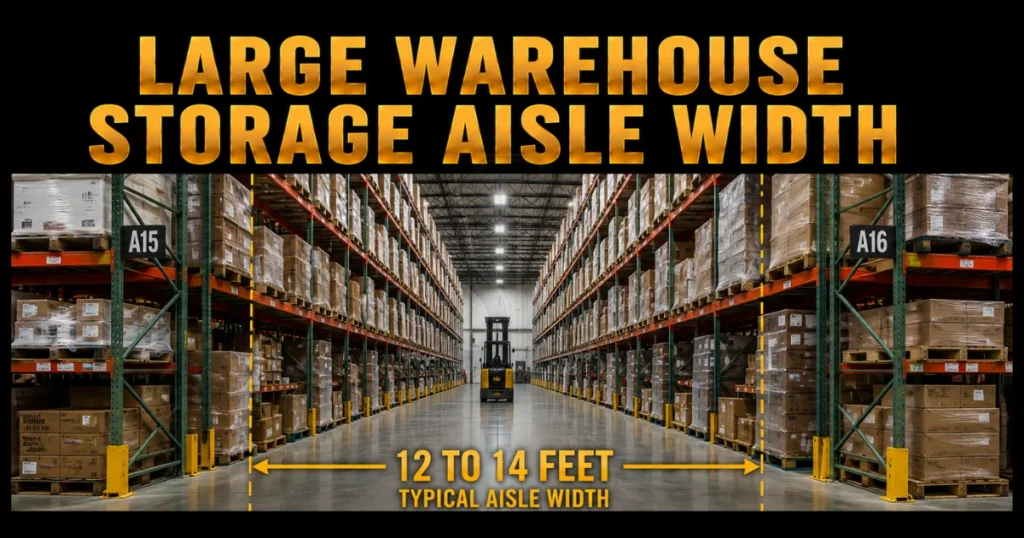
In American big-box distribution centers — Amazon fulfillment hubs, Walmart regional warehouses — standard main travel aisles are designed for forklift clearance and two-way traffic.
These aisles commonly run 28 to 32 feet wide, with many hitting exactly 30 feet. OSHA’s forklift clearance standards under regulation 1910.178 guide these aisle widths across every major warehouse operation in the U.S.
Question’s
How long is 30 feet in meters?
30 feet equals exactly 9.144 meters. For a quick mental conversion, remember that 10 feet is roughly 3 meters — so 30 feet is about 3 times that.
How many steps does it take to walk 30 feet?
About 12 steps, based on a 2.5-foot average adult stride. Taller people may do it in 10 steps; shorter adults may need 13 to 14.
What is 30 feet in inches?
Exactly 360 inches — 30 feet multiplied by 12 inches per foot.
Is 30 feet a long distance to walk?
No. At a normal walking pace of 3 mph, you cross 30 feet in about 7 seconds.
How tall is 30 feet compared to a building?
30 feet equals the height of a standard three-story residential building in the United States, where each floor averages 10 feet including structure and finishes.
What object is exactly 30 feet long or tall?
An NFL end zone is exactly 30 feet deep. A regulation 30-foot sailboat and a standard residential swimming pool of 30 feet are also exact matches.
How big is a 30 x 30 foot space?
A 30 x 30 foot area equals 900 square feet — roughly the size of a one-bedroom apartment or a large two-car garage with workshop space.
Is 30 feet the same as 30 yards?
No. 30 yards equals 90 feet — three times longer than 30 feet. Since one yard equals 3 feet, 30 feet converts to exactly 10 yards, not 30.
How far can you clearly see something that is 30 feet away?
At 30 feet, you can comfortably read large text, recognize a familiar face, and judge the size of most objects with normal vision.
How do I measure 30 feet without a tape measure?
Count 12 average walking steps, or line up two full-size SUVs bumper to bumper. Both get you to approximately 30 feet without any measuring tool.

Sara Khan is the admin of Suitcases Size. She manages website content, reviews measurement guides, and ensures readers get simple, accurate, and easy-to-understand information about sizes, dimensions, and travel measurements.